

Hassan Answers
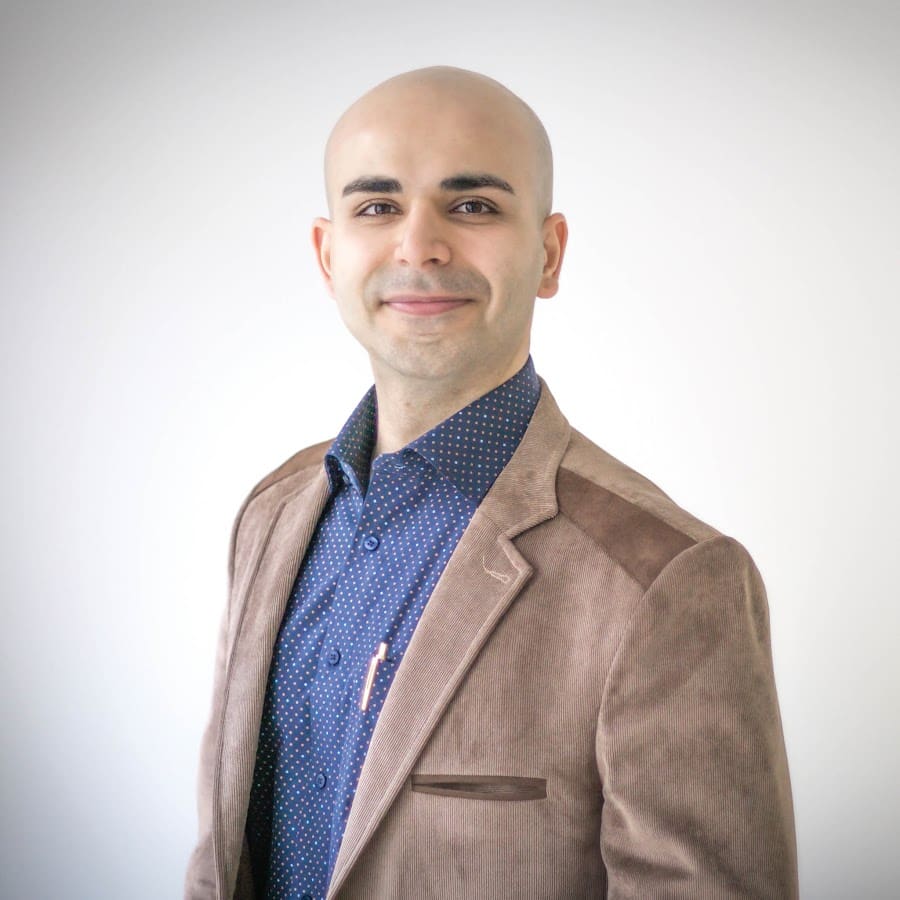
I am Hassan Farahani, art dealer and rug collector in Vienna. My family has traded Persian rugs since 1876. Customers ask me questions every day – here I answer the most common ones personally, on video and in a few words. The videos are in German; you will find the short answers in English below.
Do you have a question of your own? Write to me – I am happy to answer.

What determines the value of a rug?
Hassan Farahani in conversation (German)

Persian or Oriental rug?
The difference in one minute (German)

What does hand-knotted mean?
How to recognise real handwork (German)

Cleaning a Persian rug properly
Cold water only – and when to call a specialist (German)
The most common questions – answered briefly
What determines the value of a rug?
Above all the material (wool, kork wool, silk), knot density, origin and workshop, condition and age. Signed pieces from well-known workshops usually achieve higher prices. In the video Hassan Farahani explains what he looks at when valuing a rug.
Persian or Oriental rug – what is the difference?
Persian rugs come from Iran. “Oriental rug” is the umbrella term for hand-knotted rugs from the Orient – for example from Turkey, the Caucasus, Afghanistan, Pakistan or India. So every Persian rug is an Oriental rug, but not the other way round.
What does hand-knotted mean?
Every single knot is tied by hand around the warp threads. On the back you can see the pattern almost as clearly as on the front, and the fringes are the ends of the warp threads – not sewn on.
How do I clean a Persian rug properly?
Vacuum regularly, dab stains gently with cold water only and never use harsh cleaning agents. Valuable pieces should always be washed by a specialist – ask us, we are happy to advise.
Your question for Hassan
Personal advice in English, German and Persian – by WhatsApp, e-mail or by appointment in our showroom in Vienna.